top of page
How does it work?
Your dentist takes tissue, either from another area of your mouth or a donor source, and grafts it onto the area of recession, where it integrates with your existing gum tissue to rebuild coverage over the tooth root.


What are the benefits ?
-
Protects exposed tooth roots from sensitivity and decay
-
Helps prevent further gum recession
-
Improves the appearance of your gumline
-
Strengthens and thickens thin gum tissue
FAQS
How do I know if I need a gum graft?
Signs like tooth sensitivity, a tooth appearing longer than others, or visible root exposure are all reasons to have your gums evaluated for possible grafting.
Is gum grafting painful?
The area is numbed for the procedure, so it's comfortable throughout. Some soreness during recovery is normal and typically improves within a week or two.
How long is recovery from a gum graft?
Most patients see significant healing within one to two weeks, though complete integration of the graft tissue can take a bit longer.
Will gum recession come back after grafting?
With good oral hygiene and addressing any underlying causes, like aggressive brushing or grinding, grafted gum tissue is generally stable long-term.




हमारे संस्थापक से मिलिए
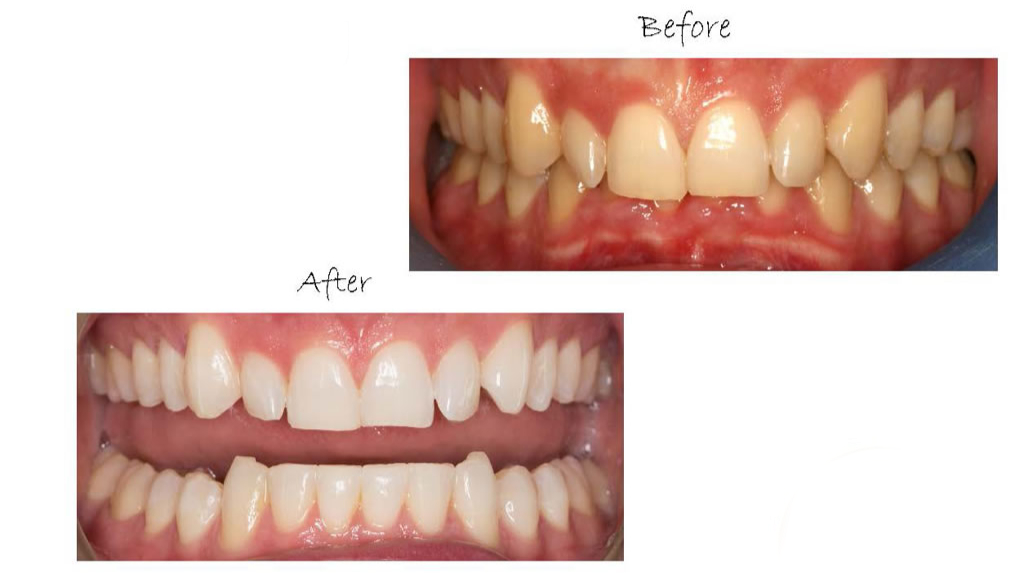
What is gum grafting?
Gum grafting is a procedure that restores gum tissue in areas where the gums have receded, protecting exposed tooth roots and improving both health and appearance.
Recent POSTS
इस भाषा में अभी तक कोई पोस्ट प्रकाशित नहीं हुई
पोस्ट प्रकाशित होने के बाद, आप उन्हें यहाँ देख सकेंगे।
Today, I had my first appointment at East Madison Dental for an evaluation and cleaning. My overall experience was excellent as the office and staff were top-notch. I was greeted warmly at the front desk and given an impressive tour of the office.
Maria, the dental assistant, provided great care and service in taking my x-rays and pictures. Dr. Rena was pleasant and did an expert job in explaining the state of my dental health. Nicole, the dental hygienist, provided a thorough and professional cleaning.
bottom of page