
Gum Disease Doesn't Hurt Until It Does: Why the Quiet Stages Are the Ones That Matter Most
The Problem with a Disease You Can't Feel
If your knee hurt, you'd see a doctor. If your chest felt tight, you wouldn't wait. But gum disease? It tends to show up quietly, without drama, without pain, and often without any symptoms you'd think to mention at your next appointment.
That silence is exactly what makes it so common and so consequential. Gum disease is one of the leading causes of tooth loss in adults, and the majority of cases are preventable or manageable when they're caught early. The challenge is that "early" often means before anything feels wrong.
So let's talk about what gum disease actually looks like in its quieter stages, because those are the stages where you still have the most options.
What Gum Disease Actually Is
Your gums are not just a frame for your teeth. They're living tissue, and they're part of a system that includes the bone and connective fibers holding each tooth in place. When bacteria build up along and beneath the gumline, they trigger an inflammatory response. That response is your body doing its job, but over time, that same inflammation can begin to break down the tissue and bone around your teeth.
Gum disease exists on a spectrum:
Gingivitis is the earliest stage. The gums are inflamed, sometimes puffy or tender, and may bleed when you brush or floss. At this stage, the damage is reversible with proper care.
Periodontitis is what happens when gingivitis goes unaddressed. The infection moves deeper, pockets form between the teeth and gums, and the bone that anchors your teeth begins to be affected. This stage is manageable, but the damage that's already occurred doesn't reverse on its own.
Advanced periodontitis involves significant bone and tissue loss, and can lead to teeth shifting, loosening, or eventually being lost.
The progression from one stage to the next doesn't always come with a warning. That's not a scare tactic. It's just the biology of it.
Signs Worth Paying Attention To
Some symptoms are easy to brush off (no pun intended). But these are worth noting:
Gums that bleed when you brush or floss, even a little
Gums that look red, swollen, or darker than usual
Gums that seem to be pulling away from the teeth, making them look longer
Persistent bad breath that doesn't go away with brushing
Teeth that feel sensitive near the gumline
A change in how your teeth fit together when you bite
Any tooth that feels slightly loose
None of these symptoms automatically mean you have advanced gum disease. But any of them is a reason to have a conversation with your dentist or periodontist sooner rather than later.
Who Is Actually at Risk
Gum disease doesn't only affect people who skip the dentist or never floss (though both of those things matter). Other real contributing factors include:
Genetics, some people are simply more susceptible
Smoking or tobacco use, which significantly affects gum tissue health
Hormonal changes, including pregnancy, which can make gums more reactive
Certain medications that affect saliva or gum tissue
Diabetes and other systemic health conditions
Chronic stress
A history of teeth grinding
This is also part of why gum disease is connected to broader health conversations. Research continues to explore the relationship between periodontal health and conditions like cardiovascular disease and diabetes. Your mouth doesn't exist in isolation from the rest of your body, which is one reason a total wellbeing approach to dental care takes gum health seriously.
What a Periodontal Evaluation Looks Like
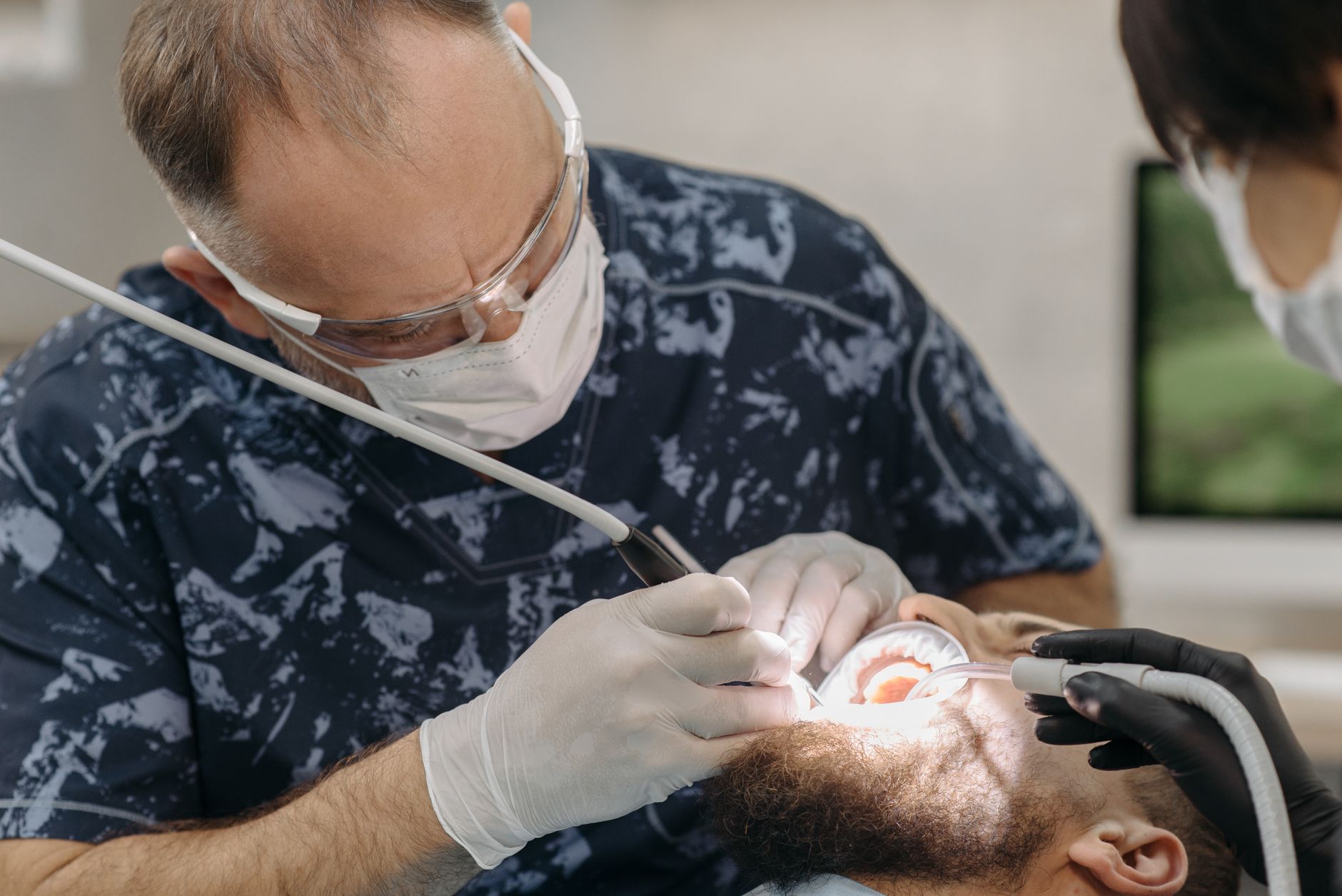
If gum disease is suspected, or if you simply haven't had your gum health assessed recently, a periodontal evaluation is a straightforward, non-intimidating appointment. During that visit, your periodontist will:
Measure the depth of the spaces between your teeth and gums using a small probe
Look for signs of inflammation, recession, or bone changes
Review X-rays to assess what's happening below the gumline
Talk through your health history, habits, and any symptoms you've noticed
From there, a clear picture emerges and so does a plan, whether that means a deeper cleaning, more frequent monitoring, or something more targeted if the disease has progressed.
Meet Dr. Jessie Kang
At East Madison Dental, periodontal care is led by Dr. Choon Hye (Jessie) Kang, a board-eligible periodontist who completed her specialty training at Tufts University School of Dental Medicine and earned her DDS from NYU College of Dentistry. Before specializing in periodontics, she practiced as a general dentist in both New Jersey and South Korea, and she is a member of the American Academy of Periodontology.
Dr. Kang's clinical focus includes the full range of periodontal care, from treating gum disease in its early and more advanced stages to supporting patients with complex cases that involve gum and bone health. Her approach is patient-centered and detail-oriented, which means you'll understand what's happening and why at every step.
If it's been a while since your gum health was evaluated, or if any of the signs above sound familiar, this is a good time to schedule a periodontal evaluation with Dr. Kang. We accept most major PPO dental insurance plans, and our team can help you understand your coverage before your appointment.
Our three Bergen County locations in Tenafly, Englewood, and Dumont are here for you. Call us at (201) 501-8282 or visit emdental.com to get started.
Comments