
Your Gums Are Pulling Back. Here's What Gum Grafting Actually Does About It.
When Your Gums Start to Disappear
Most people notice gum recession the same way: their teeth suddenly look longer, or certain spots feel startlingly sensitive to cold air or a sip of ice water. What they don't always realize is that those two things are connected, and both are signs that the gum tissue protecting their teeth is pulling away.
Gum recession is one of those problems that tends to move slowly and quietly for a long time before it becomes impossible to ignore. And because it's gradual, it's easy to dismiss. But here's the thing: gums don't grow back on their own. Once the tissue is gone, it stays gone unless something is done about it.
That something is gum grafting.
What Gum Grafting Actually Is
Gum grafting is a procedure that restores gum tissue to areas where it has receded or thinned. The goal is to cover exposed tooth roots, protect the underlying bone, and give your teeth the healthy foundation they need.
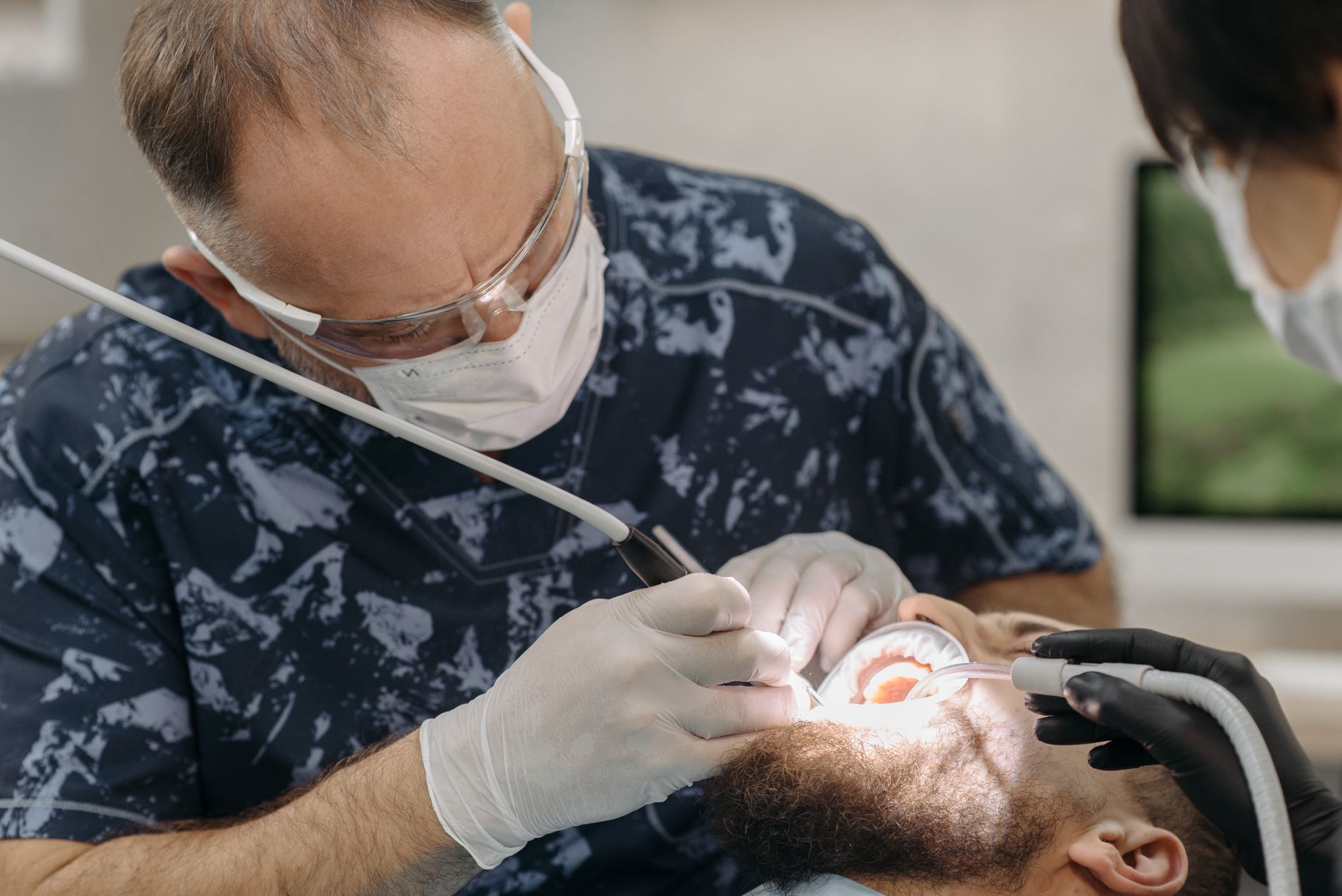
The procedure involves taking a small amount of soft tissue, often from the roof of your mouth, and placing it at the site of recession. That tissue heals into place over time, rebuilding the gumline and creating a natural-looking, stable result.
There are different approaches depending on how much recession is present, where it's located, and the condition of the surrounding tissue. Your dentist or periodontist will assess your specific situation and explain which approach makes the most sense for you.
Why Receding Gums Happen
Gum recession isn't always caused by one single thing. Usually it's a combination of factors that builds up over time:
Brushing too hard or with a toothbrush that's too firm
Gum disease that has gone untreated or undetected
Genetics, some people simply have thinner gum tissue to begin with
Teeth grinding or clenching, which puts chronic pressure on the gumline
Orthodontic movement that shifts teeth outside the natural range of the bone
Tobacco use, which reduces blood flow to gum tissue
Understanding the cause matters because treating the recession without addressing what caused it tends to produce short-lived results. Part of the conversation at your appointment will always be figuring out what's driving it.
What the Procedure Feels Like
This is where most patients have the most anxiety, and where most patients are also the most pleasantly surprised.
The area is fully numbed before anything begins. The procedure itself is typically quiet and well-tolerated. The most common feedback from patients afterward isn't about pain during the procedure; it's about mild soreness at the donor site on the roof of the mouth in the days that follow.
Recovery generally looks like this:
The first few days involve some tenderness and swelling, which is completely normal
Soft foods are recommended for the first week or two while things heal
Strenuous activity should be avoided in the early days
The graft site needs to be kept clean but handled gently
Most people return to their regular routine within a week
The full healing process takes a few weeks, and the final result, the way the gumline looks and feels once everything has settled, typically develops over several months. Most patients find the outcome well worth the brief recovery.
When to Ask About Gum Grafting
Not every case of gum recession requires a graft right away. But there are signs that it's time to have a serious conversation with your dentist:
Your teeth visibly look longer than they did a few years ago
You're experiencing sensitivity that wasn't there before, especially to cold
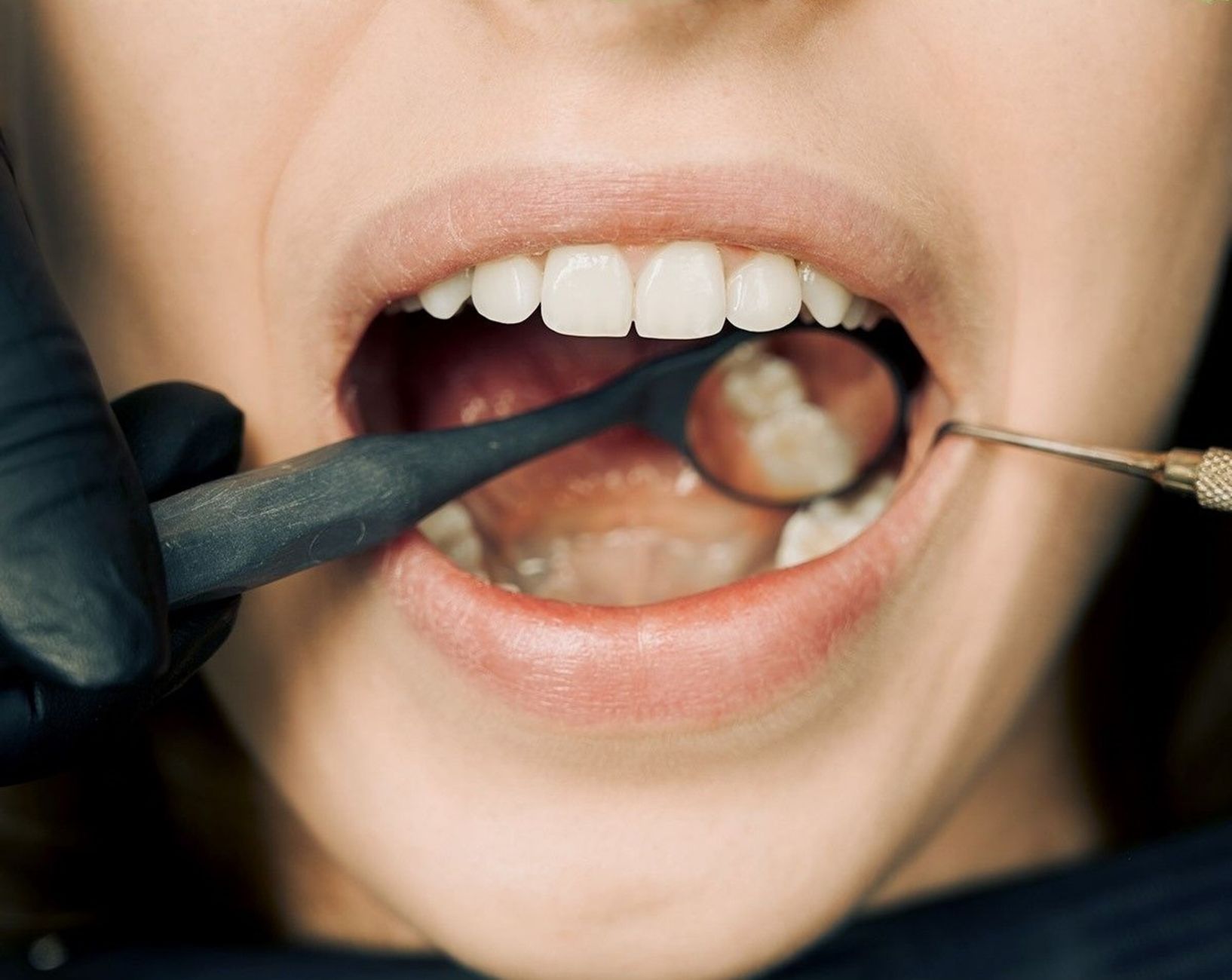
You can see or feel that the root surface of a tooth is exposed
Your dentist has flagged recession at multiple checkups without improvement
You've been diagnosed with gum disease and are in the process of managing it
Waiting tends to make the situation harder to treat. The more tissue is lost, the more involved the correction becomes. Catching it earlier usually means a simpler procedure and a better result.
What Happens If You Don't Treat It
This is the part people often don't hear until the situation has gotten more serious. Untreated gum recession doesn't stay stable. Over time, exposed roots are more vulnerable to sensitivity, to decay, and to structural problems that become significantly more complicated to address. The bone underneath can be affected as well.
Gum grafting isn't a cosmetic luxury. For most people who genuinely need it, it's a protective measure that preserves teeth they'd otherwise be at risk of losing.
A Conversation Worth Having
If you've noticed any of the signs above, or if recession has come up at a recent cleaning and you're not sure what to do next, the right move is a straightforward conversation with your dental team. At East Madison Dental, our Tenafly, Englewood, and Dumont offices are all equipped to evaluate gum health and walk you through exactly what's going on and what your options are.
No pressure, no alarm. Just honest answers and a clear path forward.
Call us at (201) 501-8282 or visit emdental.com to schedule an appointment.
Comments