
The First 72 Hours After a Root Canal: What to Expect and How to Feel Better Faster
The Root Canal Is Done. Here Is What Comes Next.
Most of the conversation around root canals focuses on the procedure itself, and understandably so. But once you are back in your car, prescription in hand, a whole new set of questions shows up. Is this soreness normal? Can I eat? Should I be worried? Root canal aftercare is where a lot of patients feel left in the dark, and it does not have to be that way.
Here is a straightforward, honest look at what root canal recovery actually feels like, hour by hour and day by day, so you know exactly what you are navigating.
What Is Happening Inside Your Tooth Right Now
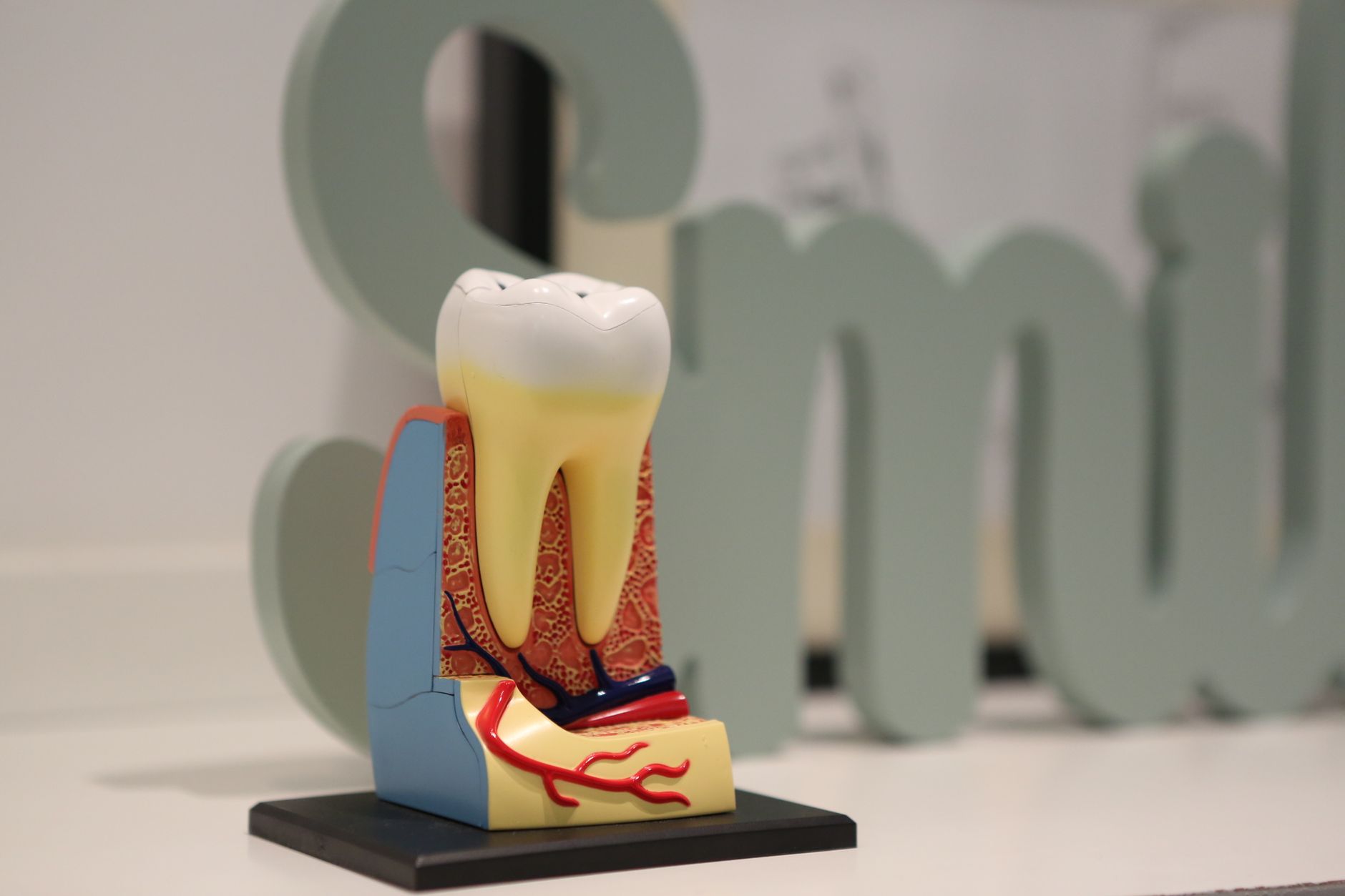
A root canal clears out infected or damaged tissue from inside the tooth and seals it off. The tooth itself is saved, but the surrounding tissue, the ligament, the gum, the bone nearby, has been through something. Some inflammation is not a sign that something went wrong. It is a sign that your body is doing exactly what it is supposed to do: healing.
Most people feel the most discomfort in the first 24 to 72 hours. After that, things typically improve noticeably with each passing day.
The First 24 Hours: Take It Easy
The numbing wears off gradually, usually within a few hours of leaving the office. As it does, you may start to feel tenderness in the tooth and surrounding area. This is completely expected.
A few things to keep in mind in those first hours:
Do not eat on the treated side until the numbness has fully worn off. Biting your cheek or tongue without realizing it is easier than you think.
Stick to soft foods. Think yogurt, eggs, soup, mashed potatoes, pasta. Nothing crunchy, hard, or chewy.
Avoid very hot foods and drinks. The treated tooth may be more sensitive to temperature temporarily.
Take any prescribed or recommended over-the-counter pain relief as directed, even before the discomfort peaks. Getting ahead of it is easier than catching up.
Skip the straw. Suction is not your friend right after any dental procedure.
Days 2 and 3: The Soreness Peaks, Then Starts to Lift
For many patients, day two is the most uncomfortable. The tooth may feel bruised when you bite down, and the gum tissue around it might be tender to the touch. This is normal. Here is what helps:
Continue eating soft foods and avoid putting pressure on that side of your mouth.
Rinse gently with warm salt water a few times a day. It helps keep the area clean and can reduce inflammation.
Sleep with your head slightly elevated the first night or two. It reduces blood pressure to the area and can ease throbbing.
Avoid strenuous exercise for at least 24 to 48 hours. Physical exertion increases blood flow, which can intensify swelling and discomfort.
Do not probe the area with your tongue. It is tempting, but it delays healing.
By the end of day three, most patients notice they are turning a corner. The soreness is not gone, but it is trending in the right direction.
What Is Normal vs. What Warrants a Call to Us
Some discomfort after a root canal is part of the healing process. But there are a few things that should prompt you to reach out:
Normal and expected:
Tenderness when biting for a few days
Mild to moderate soreness that responds to pain relief
Slight swelling in the gum area
Sensitivity that gradually improves each day
Call us if you notice:
Pain that is getting significantly worse after day three, not better
Swelling that is spreading to your face, jaw, or neck
A visible bump or pimple on the gum near the treated tooth
Fever
The temporary crown or filling feels like it has shifted or come loose
Severe pain that is not touched by any pain relief
None of these are reasons to panic, but they are reasons to check in. Our teams across Tenafly, Englewood, and Dumont are reachable and ready to help you figure out what is going on.
The Temporary Crown Question
In many cases, after a root canal the tooth gets a temporary restoration while a permanent crown is being prepared. This is worth knowing because the temporary is not meant to be permanent. Treat it gently.
Avoid sticky foods like caramel, gum, or chewy candy. They can dislodge a temporary.
Be cautious with hard foods on that side of the mouth.
If it comes off, do not wait. Call us so we can replace it quickly. An unprotected tooth is vulnerable.
Once your permanent crown is in place, the tooth is fully restored and protected. That appointment matters just as much as the root canal itself.
How Long Until You Feel Completely Normal
For most patients, the tenderness is mostly gone within one to two weeks. Full tissue healing around the tooth can take a few weeks longer, though you will likely not feel it happening. By the time you come in for your follow-up, the tooth should feel like a natural, comfortable part of your bite again.
Root canal aftercare is not complicated. It mostly comes down to being gentle, being patient, and knowing we are here if anything feels off. You saved your tooth. The hard part is already done.
Comments