
TMJ Treatment Isn't One-Size-Fits-All. Here's How to Know What You Actually Need.
TMJ Is a Diagnosis. What Comes Next Depends on You.
A lot of patients hear "you have TMJ" and walk away with more questions than answers. What does that mean? What actually fixes it? Is this something they have to live with forever?
The short answer: no, you don't have to live with it. But TMJ treatment is genuinely different from person to person, and understanding why that is makes the whole process a lot less frustrating.
What "TMJ" Actually Means
TMJ stands for temporomandibular joint, which is the joint connecting your lower jaw to your skull, just in front of each ear. When people say they "have TMJ," they usually mean they're experiencing TMJ disorder, also called TMD: a range of conditions that affect that joint, the surrounding muscles, and how the jaw moves and functions.
The tricky part is that TMJ disorder is not one single problem. It's a category of related issues, and the source of your pain matters a great deal when it comes to what will actually help.
Why the Same Symptoms Can Have Different Causes
Two patients can walk in with nearly identical complaints and need entirely different treatment plans. Common TMJ disorder symptoms include:
Jaw pain or soreness, especially in the morning
Clicking, popping, or grinding sounds when you open and close your mouth
Difficulty opening your mouth wide
Headaches or pain around the temples
Ear pain or a feeling of fullness in the ears
Facial muscle fatigue or tension
Neck and shoulder tightness connected to jaw strain
But those symptoms can stem from muscle tension, joint inflammation, teeth grinding (bruxism), bite misalignment, or some combination of all of the above. What relieves one cause can be completely irrelevant to another, which is why a proper evaluation is not optional. It's the whole point.
What a Real TMJ Evaluation Looks Like
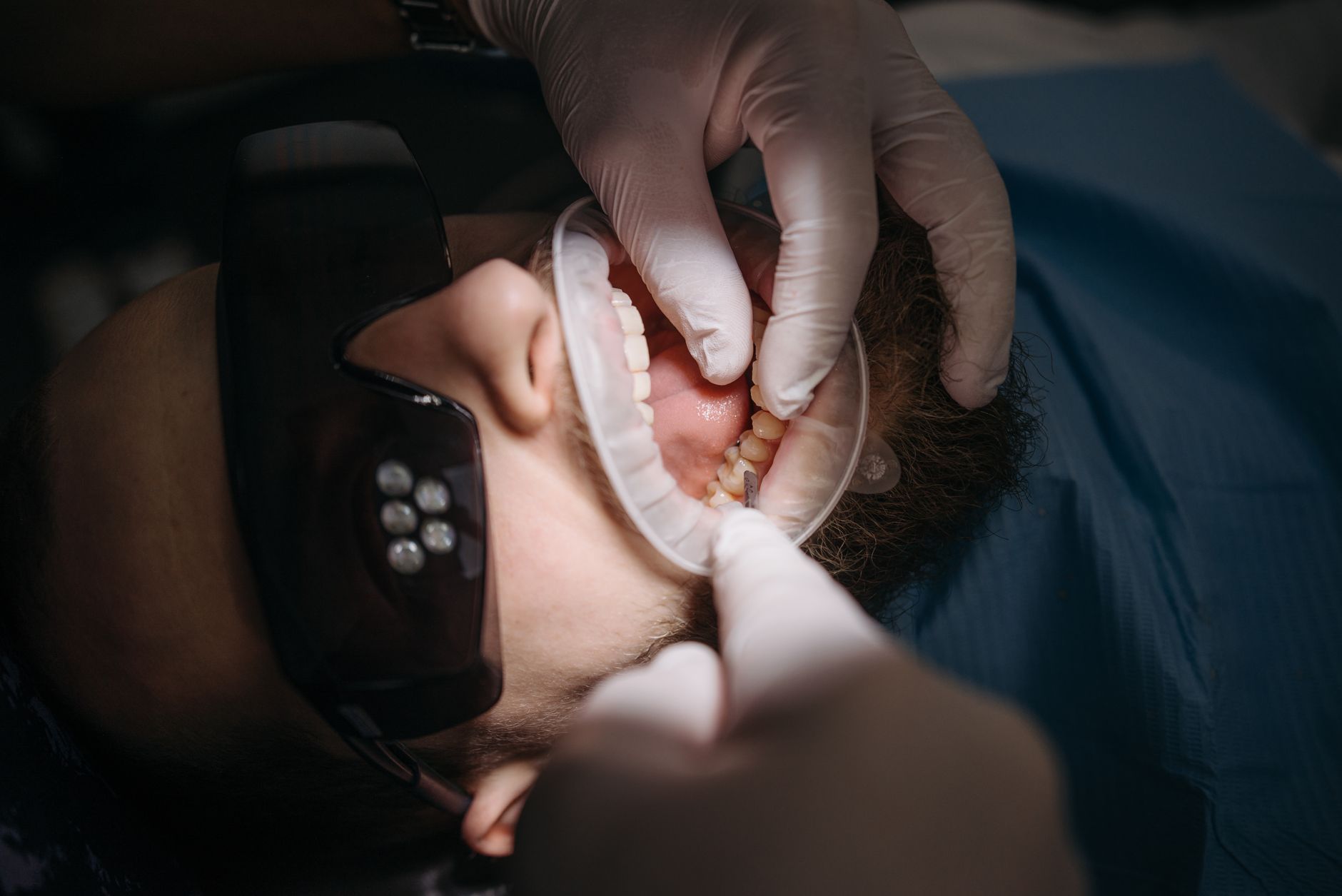
At East Madison Dental, a TMJ evaluation is not a quick look and a pamphlet. It involves actually listening to your history, examining how your jaw moves, assessing your bite, and looking at how your teeth, muscles, and joints are all relating to each other.
The goal is not to hand you the most common TMJ solution. It's to understand what is driving your specific discomfort so the treatment actually addresses it.
The Range of TMJ Treatment Options
Depending on what your evaluation reveals, TMJ treatment might involve one approach or a combination of several. Here is what that can realistically look like:
A custom night guard or oral appliance: For patients whose TMJ symptoms are connected to nighttime teeth grinding or clenching, a custom-fit appliance worn during sleep can relieve the pressure on the joint and surrounding muscles significantly. This is different from a generic over-the-counter guard, which often does not fit correctly and can sometimes make symptoms worse.
Bite adjustment: If your upper and lower teeth are not meeting in a balanced way, that imbalance creates uneven stress on the jaw joint every time you chew, speak, or swallow. Addressing the bite can relieve the source of the strain rather than just managing the symptoms.
Muscle-focused care: When the primary issue is tension in the jaw muscles rather than the joint itself, the treatment approach shifts accordingly. This can include targeted exercises, recommendations for reducing strain habits, and in some cases, working alongside other healthcare providers.
Lifestyle and habit guidance: Patients are often surprised by how much certain habits contribute to their symptoms, including things like clenching during stress, sleeping position, or consistently chewing on one side. Small changes with the right guidance can make a meaningful difference.
Monitoring and ongoing care: Some cases of TMJ disorder benefit most from careful monitoring over time, especially when symptoms are mild and not progressing. Not every case requires aggressive intervention right away.
What You Should Not Do
It is worth saying clearly: self-diagnosing and self-treating TMJ disorder rarely works, and can sometimes make things worse. Generic mouth guards from the pharmacy, heavily massaging the joint without guidance, or simply ignoring the symptoms and hoping they resolve are all approaches that tend to extend the problem rather than solve it.
If your jaw has been bothering you for weeks or months, that is long enough to get a real answer.
Bergen County Families Have Been Getting Real Relief Here for Over 27 Years
East Madison Dental has been helping patients across Bergen County, with locations in Tenafly, Englewood, and Dumont, navigate TMJ disorder for over two decades. We have seen every version of this condition, from mild muscle tension to more complex joint issues, and our approach is always the same: figure out what is actually happening, explain it clearly, and treat it honestly.
If your jaw has been clicking, your mornings have been starting with headaches, or your face just never quite feels relaxed, it is worth having someone actually look at it. Call us at (201) 501-8282 or visit emdental.com to schedule an evaluation at the location closest to you.


Comments