
Why Bone Grafting Is the Step That Makes Dental Implants Actually Work
You Need a Bone Graft Before Your Implant. Here Is Why That Is Good News.
Patients hear the words "bone graft" and their first reaction is usually some version of: that sounds serious. And we get it. It is not the kind of phrase that sounds simple or routine.
But here is the honest truth: for a lot of patients, a bone graft is not a complication. It is the reason a dental implant can happen at all. It is the step that sets you up for a result that actually lasts. Once patients understand what is going on and why, most of them feel a lot less worried and a lot more ready.
So let us walk through it.
What Bone Grafting Actually Is
When you lose a tooth, the jawbone underneath it starts to change. The bone in that area was kept strong and dense by the pressure and stimulation of the tooth root. Without that stimulation, the body gradually reabsorbs the bone. This process can begin within weeks of a tooth being lost and continues over time.
For a dental implant to work, it needs enough healthy, dense bone to anchor into. If there is not enough bone present, the implant does not have the foundation it needs. That is where bone grafting comes in.
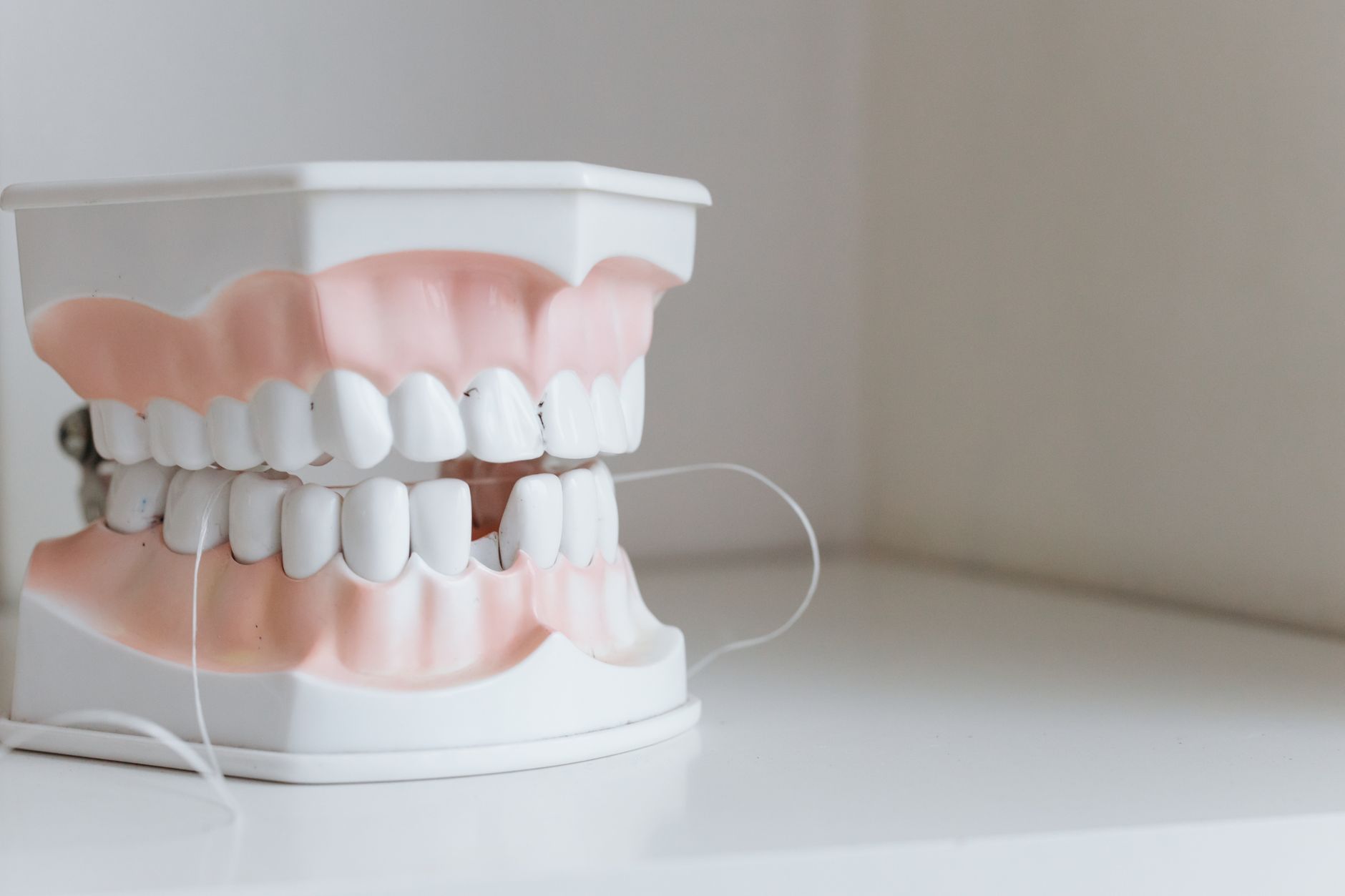
A bone graft is a procedure that rebuilds or adds volume to the jawbone in the area where an implant will be placed. The graft material, which can come from a few different sources, is placed in the area that needs support. Over time, your body integrates that material and builds new bone around it. The result is a jaw that is ready to hold an implant securely for the long term.
Why Jaw Bone Loss After Tooth Loss Is So Common
Bone loss after losing a tooth is not a sign that something went wrong. It is simply what the body does when a tooth root is no longer there. The longer a tooth has been missing, the more bone loss may have occurred.
Patients who wore dentures for years before deciding on implants often have significant bone loss in the jaw, precisely because dentures sit on top of the gum and do not stimulate the bone the way a tooth root does. This is one of the reasons some patients who have been in dentures for a long time find they need more extensive grafting before implants are possible.
None of this is a dead end. It is just useful information that helps us plan the right path forward.
What to Expect During and After a Bone Graft
Here is a realistic look at what the process involves:
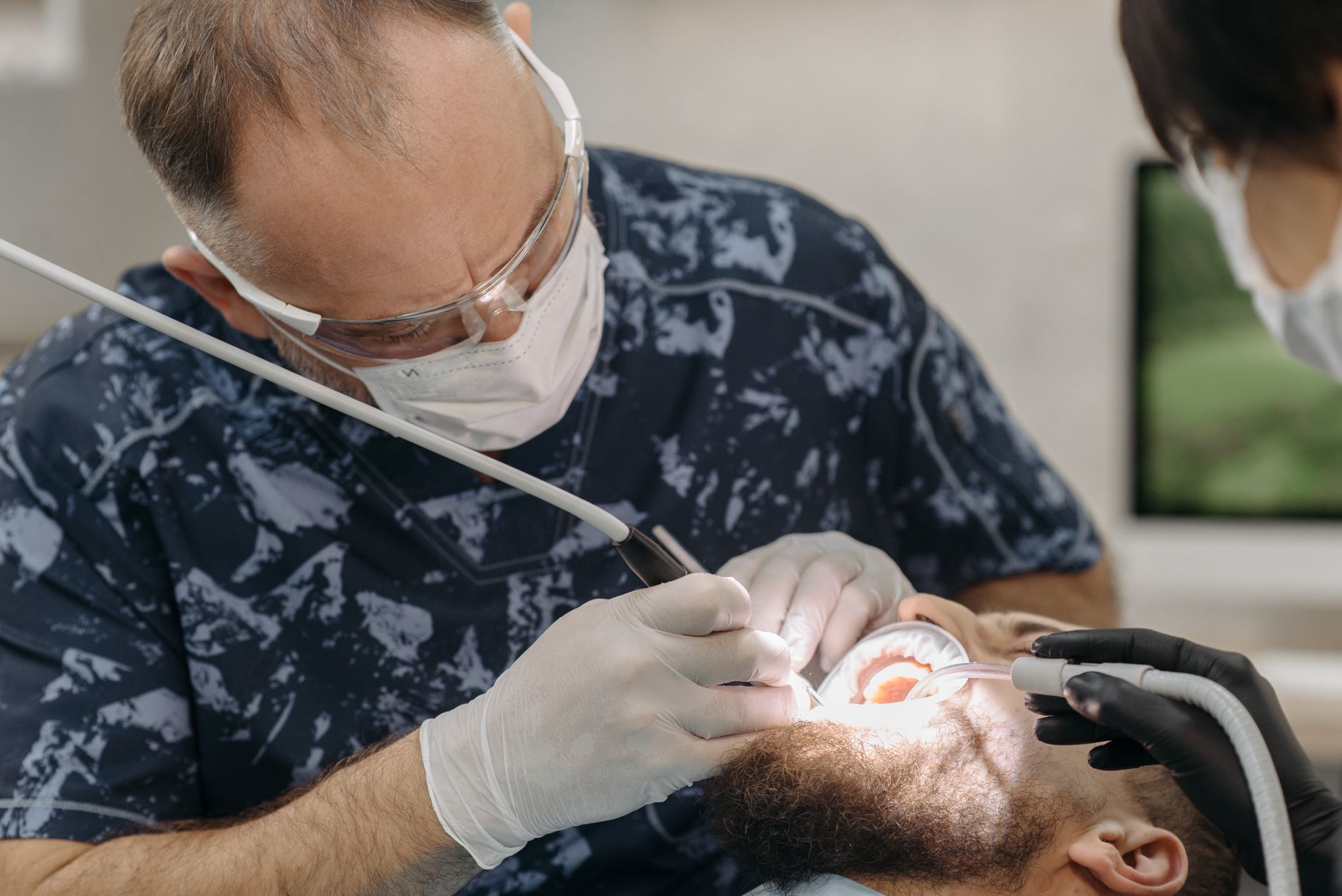
The procedure itself is typically done with local anesthesia, and sedation options are available for patients who want to feel more at ease.
The graft material is placed in the area needing support, and the site is closed with sutures.
The first few days may involve some swelling, tenderness, and minor bleeding, all of which are normal and manageable with the post-care instructions your team will give you.
Healing takes time. Depending on the extent of the graft, the bone can take anywhere from a few months to several months to fully integrate and mature.
Follow-up visits let your dental team monitor the healing and confirm when the bone is ready for the next step.
The waiting period is the part patients find most challenging, and honestly, that is fair. But that healing time is doing something real. It is building the foundation that makes everything else possible.
Common Questions We Hear
Does a bone graft always have to happen before an implant?
Not always. Some patients have enough existing bone density to proceed directly to the implant. Whether a graft is needed depends on how much bone is present in the specific area and how long the tooth has been missing. We look at this carefully for every patient individually.
Will the graft material feel different in my jaw?
No. Once it integrates, your body treats it as its own bone. You will not feel a difference.
Is the process really worth it for one tooth?
This is a fair question, and the honest answer is that it depends on your goals. If you want an implant that functions and feels like a natural tooth and holds up for decades, then yes, doing the graft right is absolutely worth it. Skipping steps to rush the process tends to create bigger problems down the road. We would rather take the time to do it correctly.
A Foundation Worth Building
At East Madison Dental, we have been helping Bergen County families navigate decisions like this for over 27 years. Whether you are coming to us in Tenafly, Englewood, or Dumont, you will get the same thing: a clear explanation of what is happening, honest guidance about your options, and a team that is not going to recommend anything you do not actually need.
If bone grafting is part of your implant plan, it is because we want your result to last. That is the only reason we would ever suggest it.
Ready to talk through your options? Give us a call at (201) 501-8282 or visit us at emdental.com to schedule a consultation.
Comments