
Crown Lengthening Isn't Just Cosmetic. Here's When You Actually Need It.
Crown Lengthening Isn't Just About Looks
When most people hear "crown lengthening," they picture a cosmetic fix for a gummy smile. And yes, it can absolutely do that. But there's another side to this procedure that doesn't get nearly enough attention: sometimes crown lengthening is the step that makes other essential dental work possible at all.
If your dentist has mentioned it, you're probably wondering what it actually involves, whether you truly need it, and what happens afterward. Those are fair questions. Here's a straightforward look at all of it.
What Crown Lengthening Actually Does
The procedure involves reshaping the gum tissue, and in some cases the underlying bone, to expose more of a tooth's surface. The goal depends entirely on why you need it.
There are two distinct reasons a dentist or periodontist might recommend crown lengthening:
Functional (restorative): There isn't enough tooth structure visible above the gumline to properly place a crown or other restoration. The tooth may be broken, decayed, or simply too short. Without more exposed surface, a crown won't have enough to hold onto, and it won't fit or function the way it should.
Aesthetic: The gumline sits too low, covering more of the teeth than it should. This creates the appearance of short teeth or an uneven smile, even when the teeth themselves are perfectly healthy.
Both are legitimate reasons. Neither is frivolous. And often, what looks like a purely cosmetic concern turns out to have a functional dimension as well.
When Crown Lengthening Is Medically Necessary
This is the part most patients don't expect. If a tooth has broken at or near the gumline, or if decay has extended below it, there may not be enough healthy tooth structure above the gum to anchor a crown securely. Placing a crown on insufficient tooth structure leads to restorations that fail faster, fit poorly, or allow bacteria to get underneath.
In these situations, crown lengthening isn't optional. It's the step that makes the restoration work correctly in the first place.
Signs that you might need functional crown lengthening include:
A tooth that broke off close to the gumline
A crown that has repeatedly come loose or failed
Decay that your dentist says extends beneath the gum tissue
A tooth your dentist has described as having insufficient structure for a restoration
If any of these sound familiar, crown lengthening may already be part of a treatment plan your dentist is considering.
What the Procedure Involves
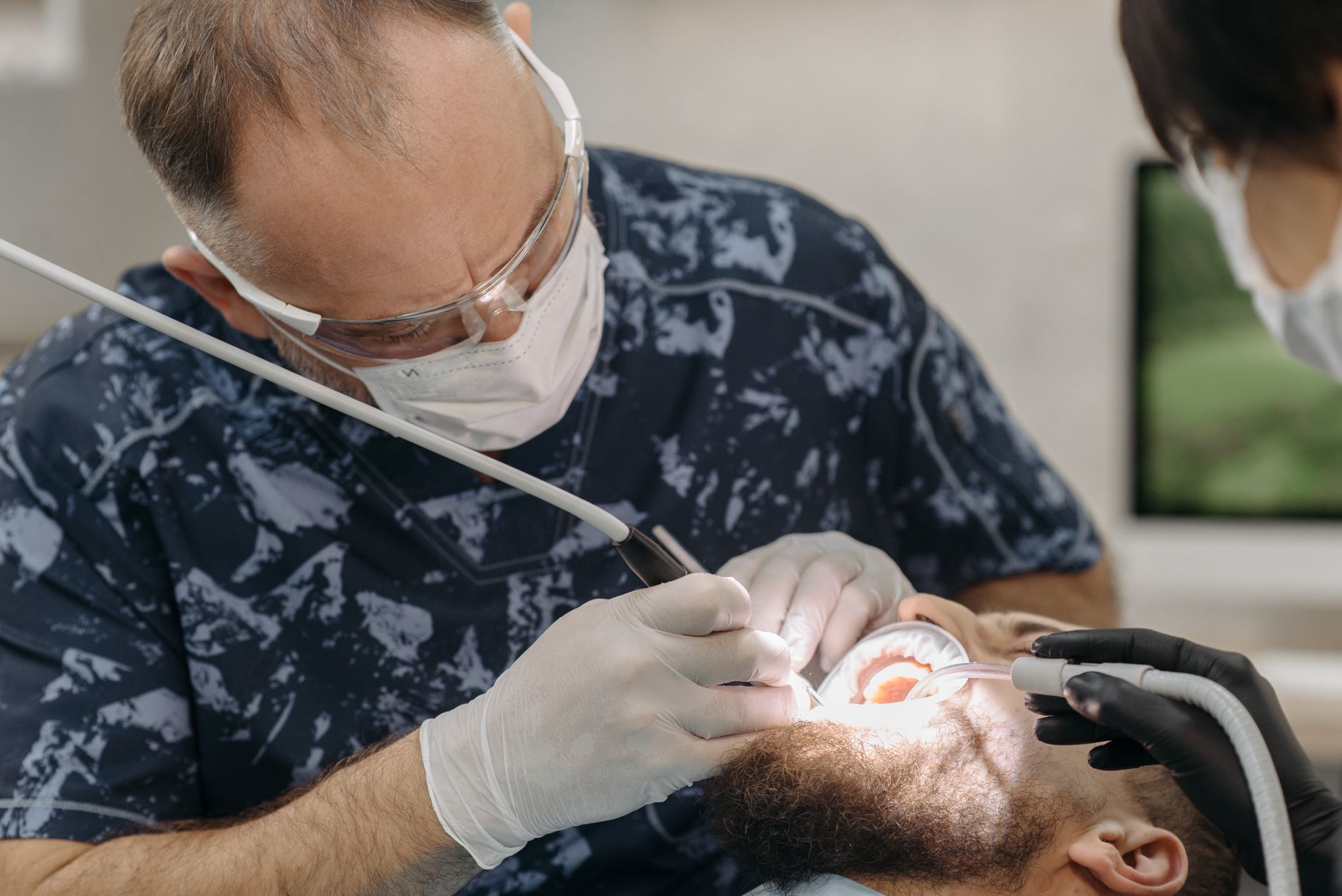
Crown lengthening is a surgical procedure performed under local anesthesia, so you won't feel pain during the process. Here's a general sense of what happens:
The area is thoroughly numbed before anything begins
Small incisions are made in the gum tissue to gently move it away from the tooth
If bone adjustment is needed, that is carefully addressed as well
The tissue is repositioned and sutured into place at a lower level on the tooth
The area is cleaned and dressed
The procedure typically takes between one and two hours depending on how many teeth are involved. You go home the same day.
What Recovery Looks Like
This is usually the question patients are most concerned about, and reasonably so. Recovery is real but very manageable for most people.
In the first few days, you can expect:
Some swelling and mild discomfort around the treated area
Sensitivity to hot, cold, and pressure
Slight bleeding that settles quickly
Over the following weeks:
Swelling gradually reduces
The gumline begins to stabilize in its new position
Most people return to normal routines within a day or two, with some activity restrictions
If crown lengthening is being done to prepare for a restoration like a crown, your dentist will typically wait several weeks after the procedure before moving forward. This gives the tissue time to fully heal and settle so the new crown fits precisely against healthy, stable gum tissue.
A Procedure Worth Understanding Before You Need It
Crown lengthening has a reputation for being purely cosmetic, and that reputation undersells it. For patients with damaged or deeply decayed teeth, it can be what stands between losing a tooth and saving it.
At East Madison Dental, our teams in Tenafly, Englewood, and Dumont take the time to explain exactly why a procedure is recommended before anything is scheduled. If crown lengthening is part of a treatment plan, you'll know the reason, what to expect, and what comes next. No guesswork, no pressure, just a clear path forward.
If you have questions about crown lengthening or want a second opinion on a recommendation you've received, we're here. Call us at (201) 501-8282 or visit emdental.com to schedule a consultation.

Comments