
What Are Periodontal Pockets, and Why Does Reducing Them Actually Matter?
Those Numbers Your Hygienist Calls Out? Here's What They Mean
If you've ever had a dental cleaning, you've heard it. The hygienist probes along your gumline and calls out a string of numbers: "Two, two, three, three, four..." Maybe someone scribbles them down. Maybe a tone sounds when a number gets higher. And you sit there wondering what any of it means.
Those numbers are your periodontal pocket depths, and they tell us more about your gum health than almost anything else we can measure. Understanding what pocket depth reduction actually is, and why it matters, can completely change the way you think about gum care.
What Is a Periodontal Pocket?
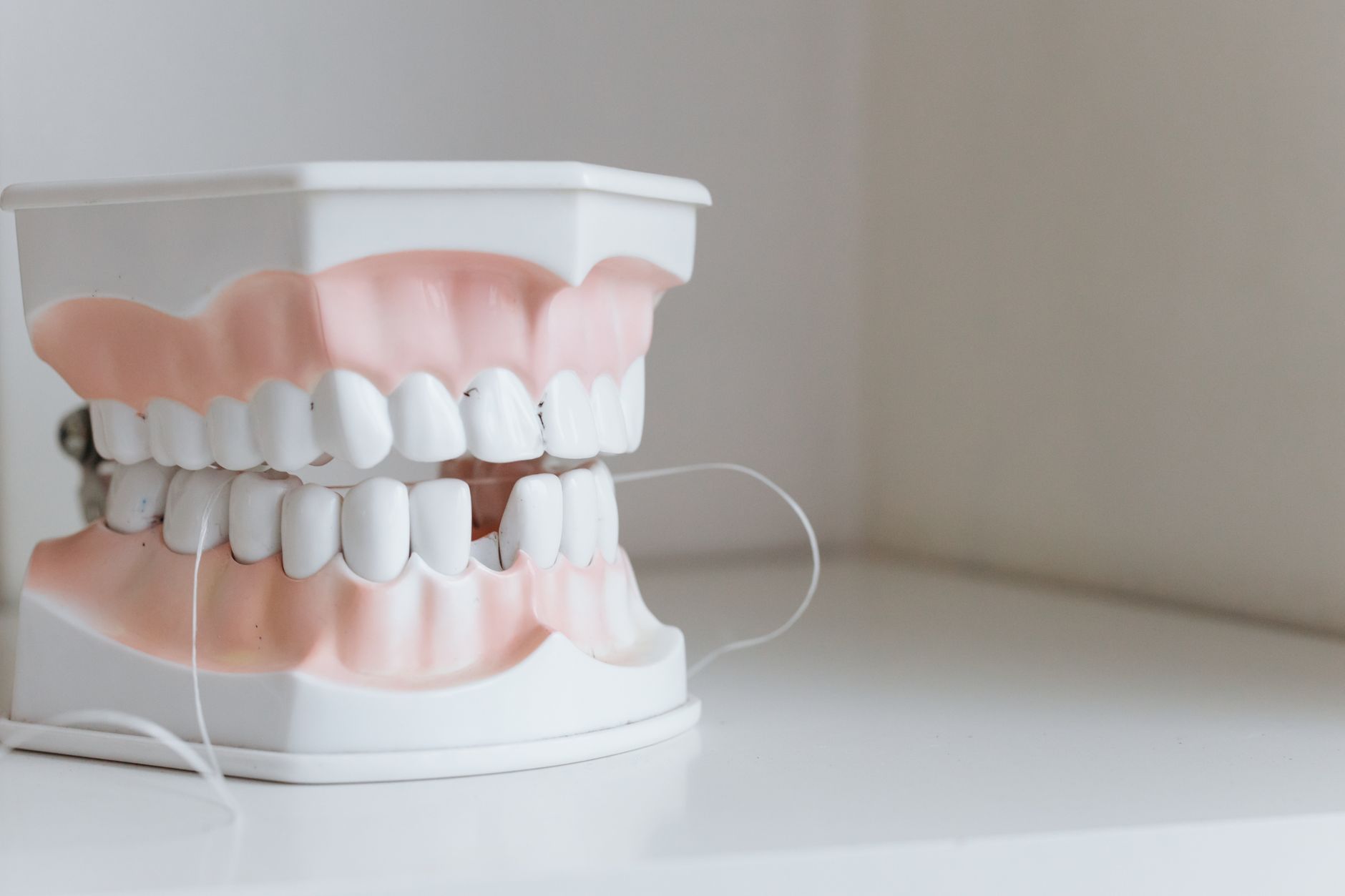
Healthy gums fit snugly around each tooth, almost like a turtleneck. The small space between the gum tissue and the tooth is called the sulcus. In a healthy mouth, that space measures about one to three millimeters.
When gum disease develops, the gum tissue pulls away from the tooth or bone loss occurs underneath, and that space gets deeper. A deeper pocket becomes a problem for one specific reason: you cannot clean it yourself. A toothbrush and floss can only reach so far. Anything beyond about three millimeters is essentially unreachable with normal home care.
Bacteria settle into those deeper pockets, build up as plaque and hardened tartar, and the infection continues to progress. The deeper the pocket, the harder it is to treat, and the more damage accumulates over time, including to the bone that holds your teeth in place.
Why Pocket Depth Reduction Is the Goal
Pocket depth reduction refers to bringing those numbers back down to a healthy, manageable range. When pockets are shallower, they're easier to keep clean, both professionally and at home. That disrupts the cycle of infection and gives the gum tissue a real chance to stabilize.
Depending on how deep the pockets are, the approach to reducing them looks different:
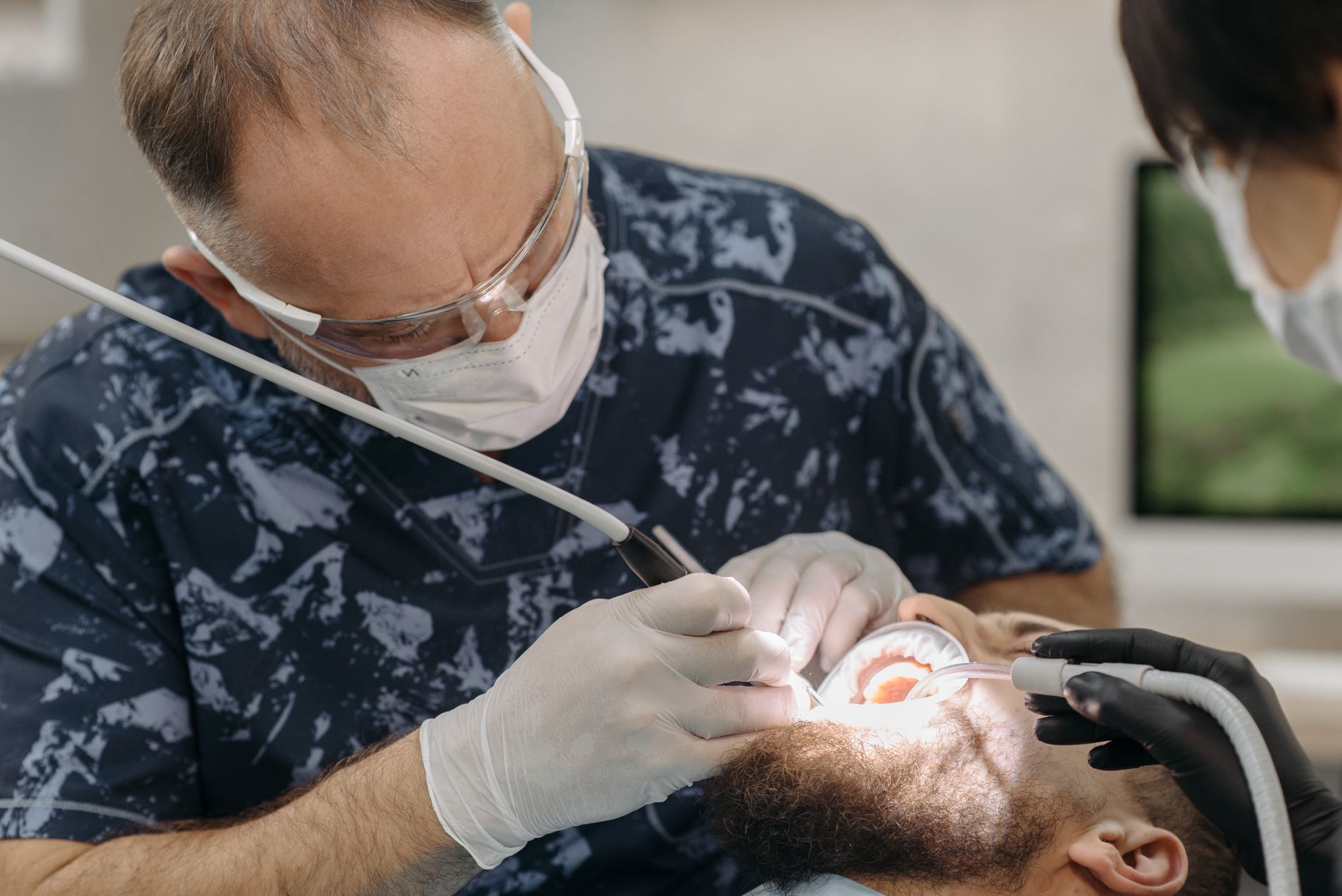
Pockets of 4 to 5 millimeters are often addressed with a thorough deep cleaning, known as scaling and root planing. This goes below the gumline to remove buildup from the root surface and smooth it so that gum tissue can reattach more securely.
Pockets of 5 millimeters and above may require more involved treatment to access and clean the area effectively when the buildup is too deep to reach with instruments alone.
Bone loss patterns also factor into which approach makes the most sense for a given patient.
After treatment, pocket depths are re-measured at a follow-up appointment to assess how the tissue has responded. Healthy gum tissue that is no longer inflamed tends to firm up and tighten, often bringing those numbers down meaningfully.
What the Process Actually Feels Like
One of the most common questions patients ask is whether pocket depth reduction treatment is painful. The honest answer is: it doesn't have to be.
Local anesthetic is used to keep you comfortable throughout the procedure.
The area may feel tender for a day or two afterward, similar to how your mouth feels after a thorough cleaning.
Over-the-counter pain relief and rinsing with warm salt water are typically all that's needed during recovery.
Sensitivity to hot and cold can occur briefly after the root surfaces are cleaned, but it usually resolves on its own.
Most patients are surprised by how manageable the experience is, especially compared to what they had imagined.
This Is Not a One-and-Done Situation
Pocket depth reduction is not a cure for gum disease. It is a reset. What happens after treatment determines whether the results hold.
Patients who follow through with their maintenance schedule, which typically means more frequent professional cleanings going forward, give their gums the ongoing support they need. Those who skip appointments or return to irregular home care often see those pocket depths creep back up over time.
The good news is that once you understand what you're maintaining and why, it becomes much easier to stay consistent. It stops feeling like just another dental appointment and starts feeling like protecting something that took real effort to restore.
When to Have the Conversation
If your hygienist or dentist has mentioned pocket depths of four millimeters or more, that's the conversation worth having now. Gum disease does not tend to reverse on its own, and the longer deeper pockets go untreated, the more difficult treatment becomes.
At East Madison Dental, we serve families across Bergen County from our offices in Tenafly, Englewood, and Dumont. If you've been told you have deeper-than-normal pockets, or if it's been a while since you've had a full periodontal assessment, we're here to walk you through exactly where things stand and what your options look like.
Call us at (201) 501-8282 or visit emdental.com to schedule your appointment.
Comments