
Root Canals Have a Reputation They Don't Deserve. Here's What Actually Happens.
The Reputation Arrived Long Before the Reality Did
Ask almost anyone what they're most afraid of at the dentist and root canals will come up within the first few seconds. The procedure has become cultural shorthand for something awful, a punchline, a benchmark for suffering.
Here is the thing though: that reputation was built decades ago, when dental techniques and anesthesia were genuinely less advanced. What you have heard about root canals almost certainly does not describe what the experience is actually like today. Most patients leave saying the same thing: that was nothing like I thought it would be.
So let's walk through what actually happens, honestly and without the drama.
Why a Root Canal Becomes Necessary
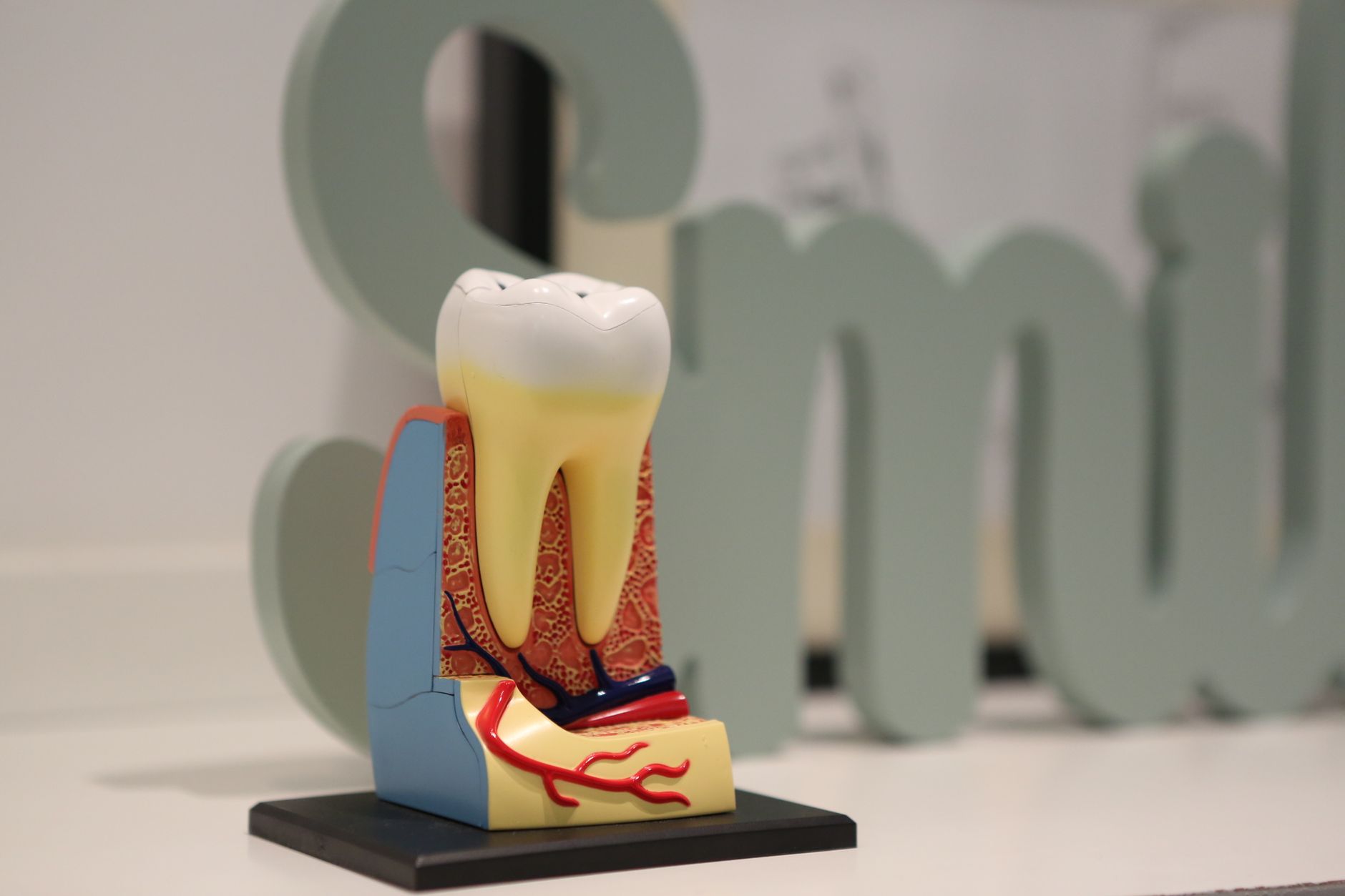
Inside every tooth, beneath the hard enamel and dentin, is a small chamber of soft tissue called the pulp. It contains nerves and blood vessels. When a tooth is healthy, you never think about it. When that pulp becomes infected or inflamed, usually from deep decay, a crack, or repeated dental work on the same tooth, it cannot heal on its own.
The pain people associate with root canals is almost always the infection itself, not the procedure. By the time treatment begins, the dentist is resolving the problem, not creating one.
Signs that a tooth may need this kind of treatment include:
A persistent, throbbing toothache that does not let up
Sharp pain when biting or chewing
Sensitivity to heat or cold that lingers well after the source is removed
Swelling or tenderness in the surrounding gum tissue
A small pimple-like bump on the gum near the tooth
Darkening or discoloration of the tooth
Some people have none of these symptoms and only find out through an X-ray during a routine visit. Either way, the tooth is telling you something, and treating it early makes the whole process simpler.
What Happens During the Procedure, Step by Step
The procedure is more straightforward than most people imagine. Here is a realistic breakdown of what to expect.
Before anything else: you get numb. Local anesthesia is administered to the area around the tooth. This is the part most patients worry about most, but by the time any actual work begins, the tooth and surrounding tissue are fully numb. You will feel pressure. You will not feel pain.
A small protective covering is placed. A thin rubber dam is positioned around the tooth to isolate it, keeping the area clean and dry throughout the procedure. It sounds more clinical than it feels.
The inside of the tooth is accessed. A small opening is made through the top of the tooth to reach the pulp chamber below.
The infected or inflamed pulp is removed. The inside of the tooth is carefully cleaned and shaped using very fine instruments. This is where the infection lives, and removing it is the entire point of the procedure. Because the area is numbed, patients typically feel very little during this stage.
The canals are disinfected and filled. Once clean, the hollow space is filled with a biocompatible material that seals the tooth from the inside and prevents future infection.
The tooth is sealed and restored. A temporary or permanent filling closes the access point. Most back teeth that receive this treatment will eventually need a crown to protect the restored structure, since the tooth becomes more brittle after the pulp is removed. Your dentist will let you know what the next step looks like for your specific tooth.
From start to finish, most appointments take between 60 and 90 minutes, depending on the tooth and its complexity. Some cases are completed in a single visit.
What Recovery Actually Looks Like
After the anesthesia wears off, some soreness around the treated area is normal for a few days. This is your body responding to the procedure, not a sign that something went wrong.
Most patients manage any post-treatment discomfort with over-the-counter pain relievers. You will likely be able to go back to your regular routine the next day, sometimes the same day.
A few things that help recovery go smoothly:
Avoid chewing on the treated side until your permanent restoration is in place
Stick to softer foods for a day or two if the area feels tender
Take any prescribed medication exactly as directed
Keep up with brushing and flossing as normal around the area
Follow up for your crown or final restoration as scheduled
The Real Goal: Keeping Your Natural Tooth
The reason this procedure exists is not to cause discomfort. It is to save a tooth that would otherwise have to be removed. Keeping your natural teeth, when it is possible to do so, matters for your bite, your bone structure, and your long-term oral health in ways that replacement options cannot fully replicate.
That is worth understanding, because the conversation is not really about the procedure itself. It is about giving a tooth a second chance.
If you have been told you may need a root canal, or if you have been putting off an aching tooth because you are nervous about what comes next, we would rather you come in and talk it through than avoid the problem until it gets worse. Our teams in Tenafly, Englewood, and Dumont are here for exactly that kind of conversation. No pressure, no judgment, just honest answers. Call us at (201) 501-8282 or visit emdental.com to schedule a visit.

Comments