
All-on-4 Dental Implants: What Changes the Day You Leave the Office
The Question Patients Actually Ask About All-on-4
Most people spend months researching All-on-4 dental implants before they ever call a dental office. They've watched the videos. They've read the overviews. What they haven't found yet is a straight answer to the question they care about most: what does life actually look like after this?
That's what this post is about. Not a procedure checklist. A real picture of what changes, and when.
What All-on-4 Actually Is (Without the Jargon)
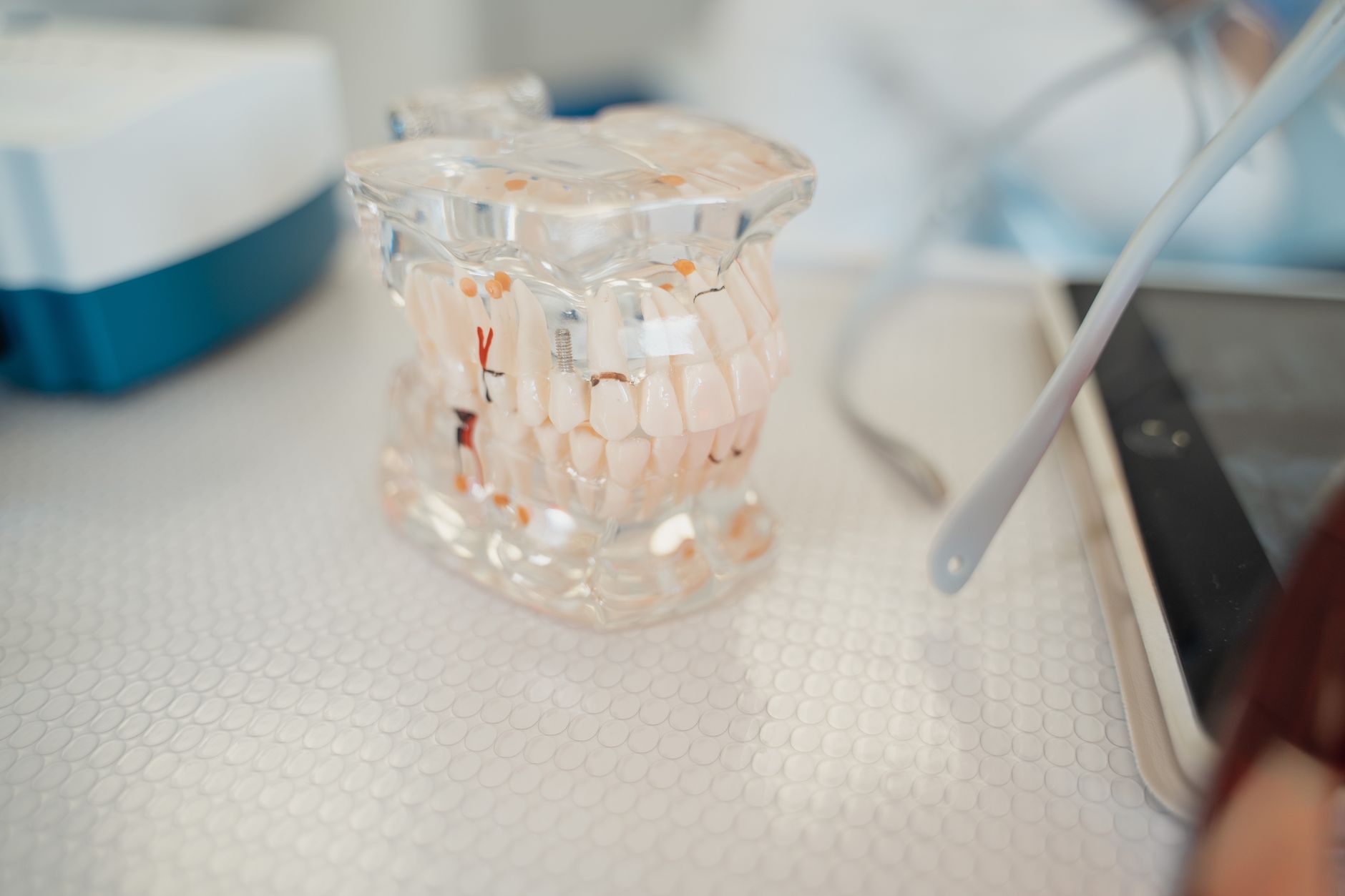
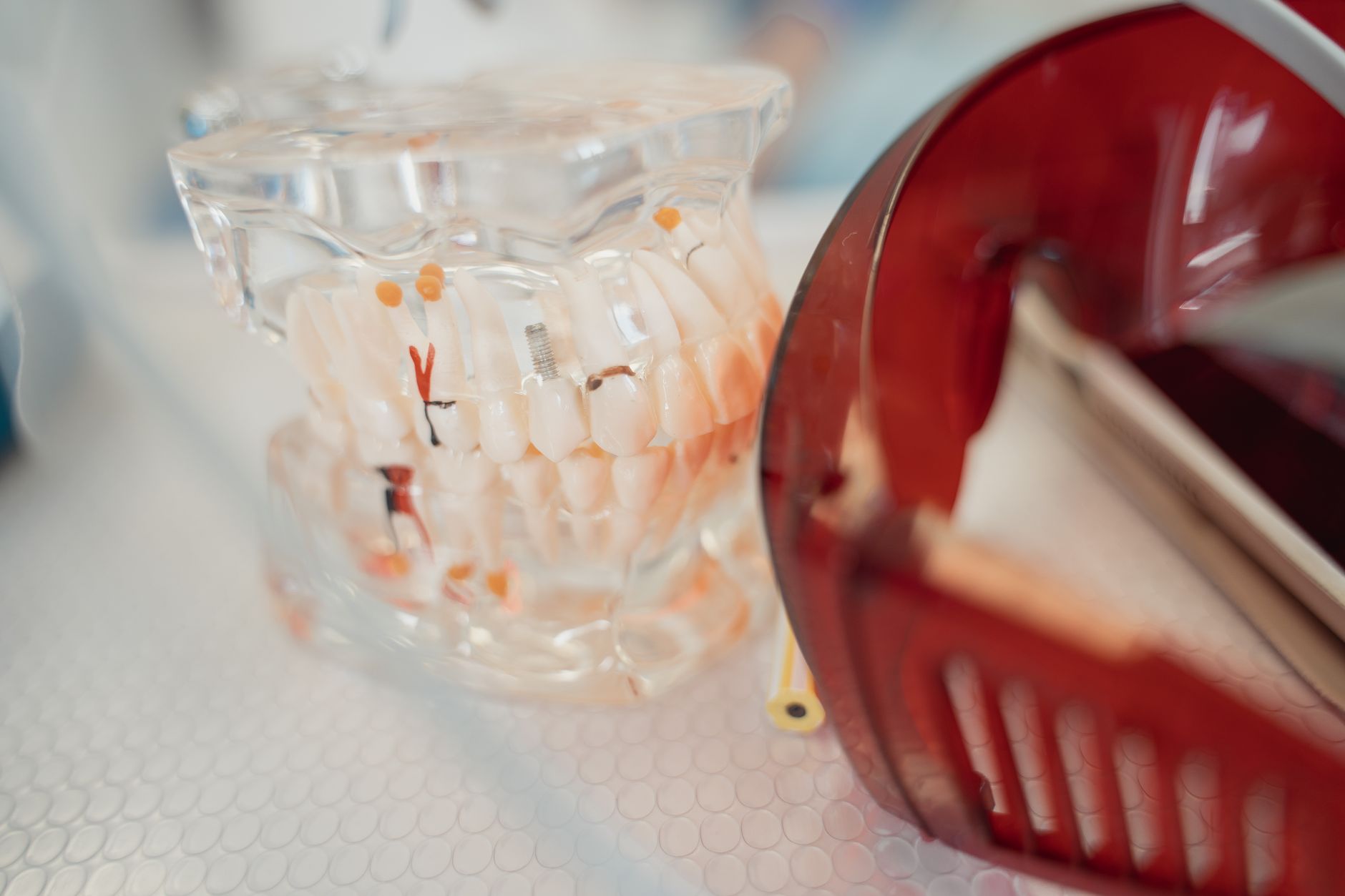
All-on-4 is a way to replace an entire arch of teeth, top or bottom, using four strategically placed implants anchored into the jawbone. Those four implants support a full set of fixed teeth that don't come out at night, don't shift when you eat, and don't require adhesive.
The name refers to the approach: a complete arch, supported by four implants. It was designed specifically for patients who have lost most or all of their teeth, or who are close to that point and looking for a long-term solution that doesn't involve traditional removable dentures.
What makes All-on-4 different from placing individual implants for each missing tooth is that the four anchor points are angled in a way that maximizes contact with existing bone. That often means patients who don't have enough bone volume for conventional implants are still candidates for this approach.
The Day Of: What to Expect
All-on-4 is typically completed in a single appointment, which is part of why patients sometimes hear the phrase "teeth in a day." Here's what that day generally involves:
Any remaining teeth being replaced are removed at the start of the appointment
The four implants are placed into the jawbone
A full-arch set of teeth is attached to the implants before you leave
You walk in without a functional set of teeth. You walk out with one. That part is real.
What's important to understand is that the teeth attached on day one are a transitional set. They're designed to be worn while your implants fuse with the bone, a process that takes a few months. Your permanent, final teeth come later once that healing is complete.
The First Few Weeks: What's Actually Happening
The healing period after All-on-4 is real and it takes some adjustment. Most patients describe it this way:
Swelling and tenderness in the first few days, manageable with what your provider recommends
A soft food diet for several weeks while the implants are integrating with the bone
A new awareness of how you're chewing, at least at first
Gradual increase in comfort and confidence as the weeks pass
This is the part that surprises people the most. The procedure sounds dramatic, but most patients find the recovery far more manageable than they expected. The bigger adjustment is psychological: getting used to the fact that these teeth are fixed, that they move with you, that they're yours.
What Changes Long-Term
Once healing is complete and the final restoration is in place, patients consistently describe the same few shifts:
Eating foods they'd avoided for years, including things like apples, steak, and corn
Smiling in photos without thinking twice
Talking without worrying about movement or sound
Not having to remove teeth at the end of the day
These aren't small things. For many patients, tooth loss has quietly shaped daily decisions for years. All-on-4 has a way of giving back choices people had stopped counting on.
Who Is a Good Candidate?
All-on-4 is designed for patients who:
Are missing most or all of their teeth in one or both arches
Have teeth that are failing or need to be removed
Have been told they may not have enough bone for individual implants
Want a fixed, permanent solution rather than a removable one
It's not the right fit for every patient. The best way to know is a conversation with a provider who looks at your actual bone structure and goals, not just a general checklist.
A Note on Choosing the Right Team
All-on-4 is a significant procedure. The planning, placement, and follow-through require a high level of skill and continuity of care. At East Madison Dental, Dr. Narpat Jain, DMD, co-owner of the practice, focuses specifically on implant and cosmetic dentistry across all three locations. Serving patients in Tenafly, Englewood, and Dumont, the team approaches full-arch restoration the same way they approach every procedure: no shortcuts, no rushing, no cutting corners on materials or time.
Twenty-seven years of caring for Bergen County families means they've seen what works long-term. That perspective matters when you're making a decision this significant.
Ready to Find Out If All-on-4 Is Right for You?
The best starting point is a real conversation, not more research. Call East Madison Dental at (201) 501-8282 or visit emdental.com to schedule a consultation at the location nearest you. Bring your questions. All of them.
Comments